3 Trends Defining Australian Developer Jobs in 2026 (It's Not Just AI)
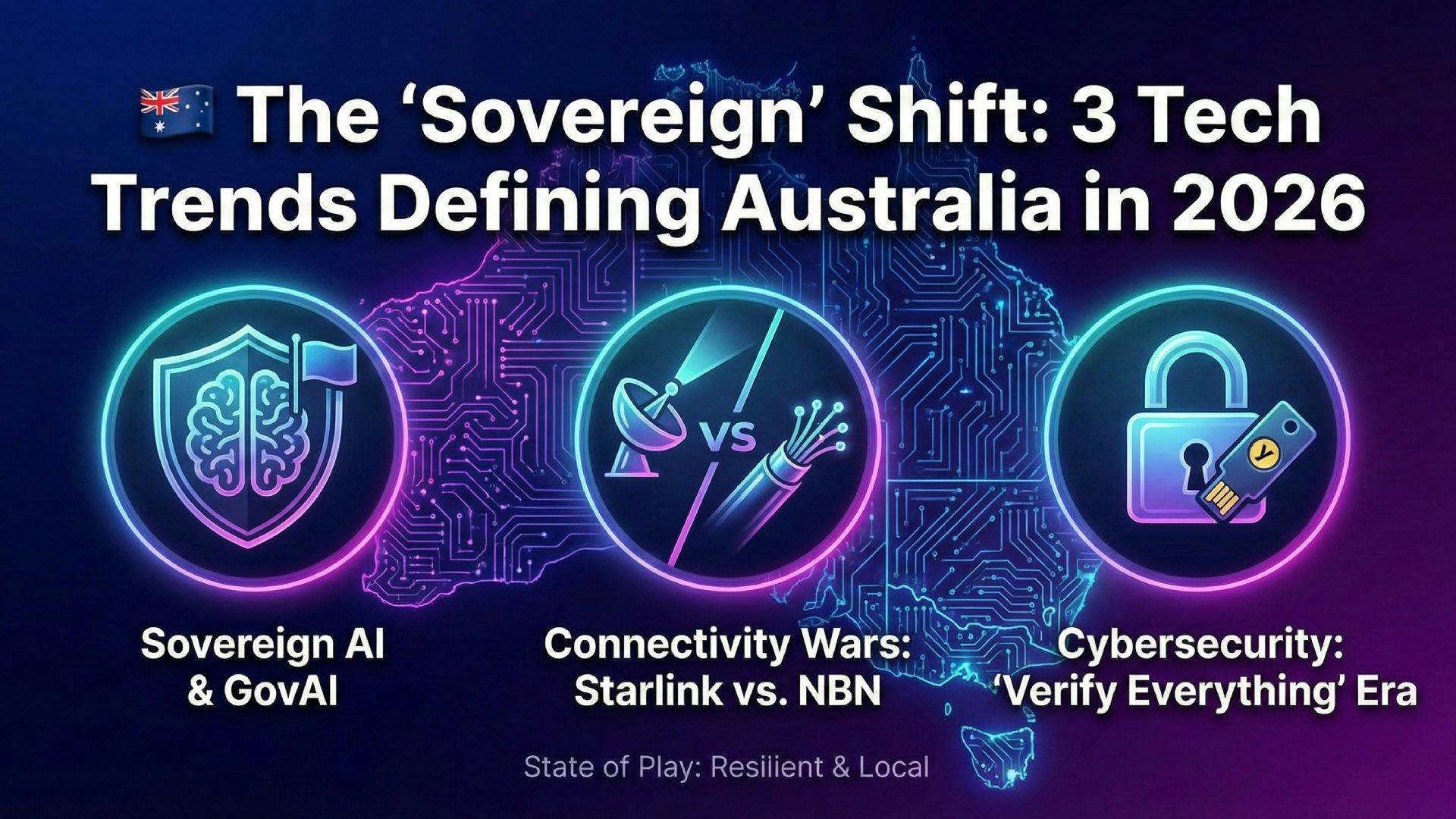
If 2024 was the year of the "AI Hype," 2025 was the year the rubber screeched onto the road. 🏎️💨 For us Down Under, that road looks a hell of a lot different than the smooth pavement of Silicon Valley.
As we stare down the barrel of 2026, the Aussie tech ecosystem is pivoting hard. We aren’t just importing US tech stacks anymore; we’re grappling with unique local beasts—from the "tyranny of distance" in regional connectivity 📡 to a massive federal push for "sovereign" AI capability. 🛡️
Whether you're a CTO in Sydney or a remote dev coding from a farm in Dubbo, here is your State of Play for the Australian tech landscape right now. 👇
Earlier this month (December 2025), the Federal Government finally dropped the National AI Plan 2025. 📄 If you haven't trudged through the 78-page document yet, I’ll save you the coffee: The era of the "wrapper" startup is dead. The new king is Sovereign Capability.
Canberra has realised that relying entirely on offshore models (looking at you, OpenAI and Anthropic) for critical infrastructure is a national security risk. They want our data staying here. 🦘
For the metro-based dev teams in Melbourne or Brisbane, gigabit fibre is a given. But for the growing legion of remote workers in regional Australia, a fierce battle has played out this year between the NBN and Low Earth Orbit (LEO) satellites.
The release of Starlink's Gen 3 hardware has been a total game-changer for the "bush." 🌾 Recent reports from regional NSW benchmarks show Starlink is now consistently outperforming NBN Fixed Wireless in stability.
The "Digital Divide" Reality Check:
- Latency: Starlink is hitting 20-40ms latency. That means real-time collaborative coding sessions and Zoom calls that don't freeze mid-sentence. 🗣️
- The Cost: It stays premium. We're seeing a split: junior remote devs stuck on congested Fixed Wireless, while seniors are expensing Starlink setups.
- 💡 The Opportunity: There is a massive gap in the market for "offline-first" software architecture. If your SaaS app crashes the moment a packet drops in rural Queensland, you are alienating a huge chunk of your domestic market. PWA (Progressive Web Apps) are your best friend here.
According to the latest data from CyberCX and the ACSC, the threat landscape in Australia has shifted. It’s no longer just about ransomware; it’s about Business Email Compromise (BEC)... turbo-charged by AI. 🤖💔
Attackers are using deepfake audio to impersonate CEOs and CFOs with terrifying accuracy. The "mate, can you pay this invoice?" text is now a phone call that sounds exactly like your boss.
The Australian tech sector in late 2025 is maturing. We are less obsessed with chasing the latest shiny object from San Francisco and more focused on resilience—whether that's resilient connectivity in the outback, resilient data sovereignty in our AI, or resilient identity verification in our security stacks.
Your move: If you're looking to upskill in 2026, don't just learn a new language. Learn how to architect for unstable connections and strict data governance. That’s where the local work is. 🏗️💰

Learn how to teach your AI coding assistant domain-specific knowledge using Agent Skills. A complete guide to setting up SKILL.md for Google Antigravity & VS Code.
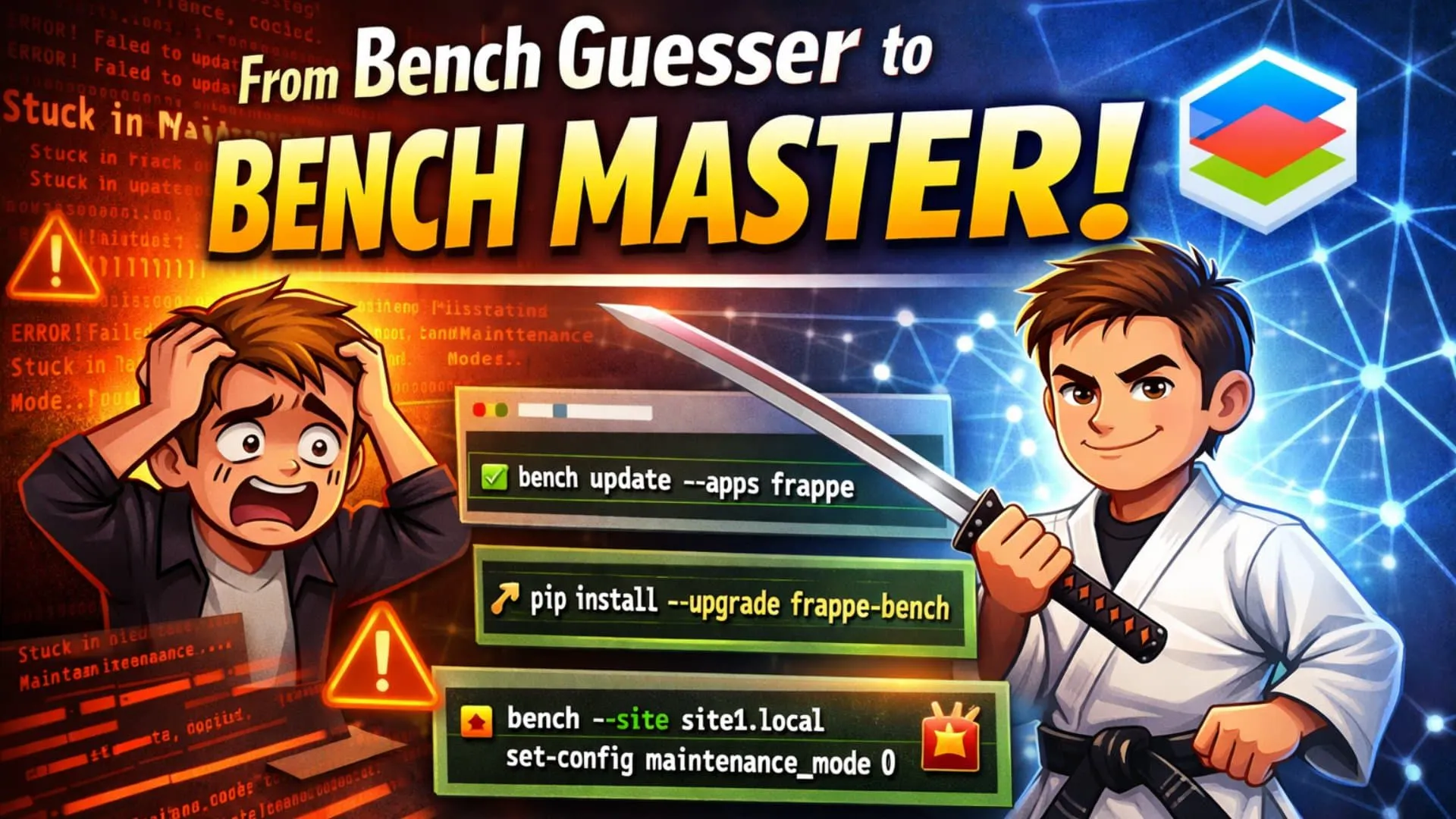
Stuck on the "Site is updating" screen? Learn the command to fix it instantly, plus the _right_ way to update Frappe apps without breaking your local dev environment.
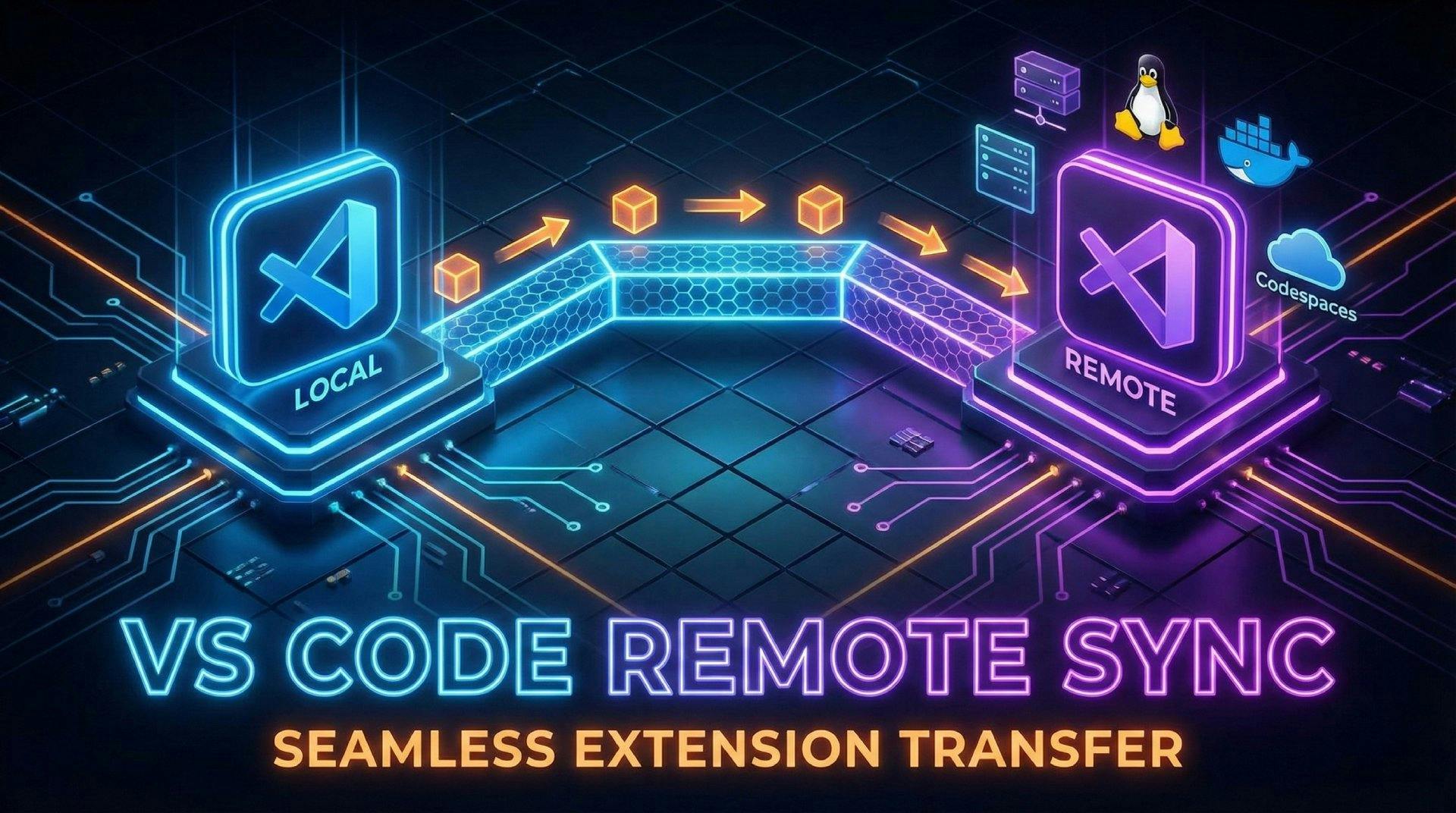
Tired of missing VS Code extensions in remote projects? Learn 4 easy ways to sync your local extensions to SSH, WSL, and Docker environments automatically.