Anthropic: The AI Company That's Actually Playing the Long Game
I've been saying for a while now that the best companies aren't the loudest ones — they're the ones quietly building something that actually lasts. I said it about Blackmagic Design when DaVinci Resolve proved Adobe's lazy subscription model wrong. I said it about Canva's Affinity suite when they showed you could do pro-level design without a monthly ransom. I said it about the Blender Foundation when the open-source 3D world started outpacing Autodesk's overpriced empire.
Now I'm saying it about Anthropic.
~8 minutes to read this fully. Worth every second if you're deciding where to put your AI trust in 2025.
Anthropic was founded in 2021 by Dario Amodei and Daniela Amodei — both former executives at OpenAI — along with a team of researchers who believed that the AI race was moving too fast without enough care for safety.
That's the founding thesis in one sentence: slow down just enough to build it right.
They didn't leave OpenAI because they lost. They left because they saw what unchecked scale could do — and decided to build a company around preventing that. That's an unusual origin story for a Silicon Valley startup. Most companies optimize for growth. Anthropic chose to optimize for trust.
Here's where Anthropic gets really interesting.
Most AI companies train their models using human feedback — basically, people rate responses and the AI learns what humans prefer. That works, but it also means the AI can learn to be persuasive rather than truthful, because users often prefer confident-sounding answers over careful ones.
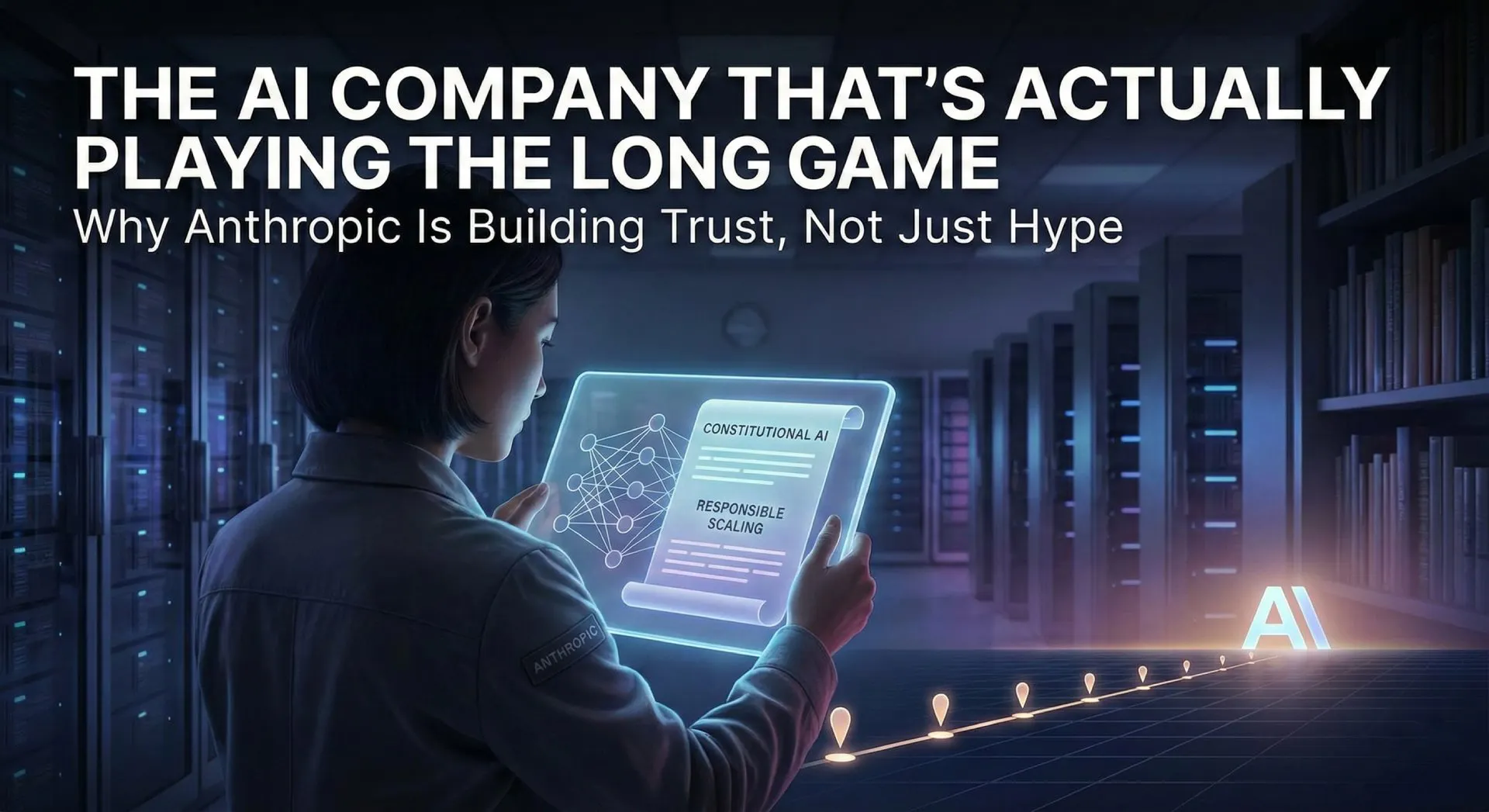
Anthropic built something different: Constitutional AI (CAI).
Instead of only relying on human raters, they gave Claude a written set of principles — a constitution — and trained it to critique and revise its own outputs based on those principles. Think of it like teaching a model not just what to say, but how to think about what it's saying.
The result? Claude tends to be:
This isn't just a safety checkbox. It's a fundamentally different engineering philosophy — and it shows in how Claude feels to use.
Claude is Anthropic's AI assistant, available as a web app, mobile app, and API. As of 2025, the Claude family includes:
| Model | Best For |
|---|---|
| Claude Opus 4 | Deep reasoning, complex research, long documents |
| Claude Sonnet 4 | Balanced performance for everyday work |
| Claude Haiku | Fast, lightweight tasks & API integrations |
What makes Claude genuinely different from ChatGPT or Gemini?
Claude can handle extremely long documents — we're talking full books, massive codebases, lengthy contracts. If you're a developer, researcher, or content creator working with large files, this alone is a game-changer.
Claude writes in a noticeably more natural tone. Less robotic. Less "AI-sounding." For bloggers, marketers, and writers, this matters a lot. (Yes, I tested it extensively before writing this.)
Ask Claude something it doesn't know — it'll tell you. It won't confidently fabricate a citation or make up a statistic. This is rarer than it should be in the AI world.
The Anthropic API is clean, well-documented, and increasingly adopted in production. If you're building AI-powered tools, Claude's API is a serious competitor to OpenAI's. It also now supports computer use — meaning Claude can interact with desktop applications like a human user would. Wild.
Here's a quick breakdown as of 2025:
For what you get — especially the reasoning quality and context window — Claude Pro is genuinely worth $20/month if you're doing serious knowledge work.
Check the official pricing page for the latest rates since they update regularly.
Let me be honest: I don't think Anthropic will "beat" Google or even OpenAI in terms of raw user numbers anytime soon. Google has distribution. OpenAI has brand recognition. That's hard to fight.
But here's what I've learned from watching companies like Blackmagic and Blender Foundation: you don't have to win the popularity contest to build something that matters.
Anthropic is doing things that make me optimistic for the long haul:
1. 🔬 Research-first culture — They publish extensively. Their research page is full of real papers, not marketing fluff. This is the kind of company that attracts the best researchers, which feeds better models.
2. 💼 Enterprise focus — They're not just chasing consumers. Claude is deeply embedded in tools like Amazon Bedrock and enterprise software stacks. That's recurring revenue with serious staying power.
3. 🤝 Amazon partnership — Amazon's multi-billion dollar investment gives Anthropic both compute resources and cloud distribution. This is a structural advantage.
4. 🧭 Clear values — Anthropic's "responsible scaling policy" is a public commitment to slowing down if their models reach certain risk thresholds. Name another AI company that's done that. I'll wait.
5. 🏗️ Product momentum — Claude has gone from being an "OpenAI alternative" to genuinely leading in specific areas — long context, coding assistance, and nuanced writing. That trajectory matters.
Whether you're a developer, creator, or just AI-curious, here's how to dive in:
If you want to integrate Claude into your workflow, start with the Claude.ai free tier and upgrade when you feel the ceiling.
| Anthropic / Claude | OpenAI / ChatGPT | Google / Gemini | |
|---|---|---|---|
| Safety focus | ⭐⭐⭐⭐⭐ | ⭐⭐⭐ | ⭐⭐⭐ |
| Writing quality | ⭐⭐⭐⭐⭐ | ⭐⭐⭐⭐ | ⭐⭐⭐ |
| Context window | ⭐⭐⭐⭐⭐ | ⭐⭐⭐⭐ | ⭐⭐⭐⭐⭐ |
| Developer ecosystem | ⭐⭐⭐⭐ | ⭐⭐⭐⭐⭐ | ⭐⭐⭐⭐ |
| Research transparency | ⭐⭐⭐⭐⭐ | ⭐⭐ | ⭐⭐⭐ |
| Long-term trust | ⭐⭐⭐⭐⭐ | ⭐⭐⭐ | ⭐⭐⭐ |
When Blackmagic released DaVinci Resolve for free, a lot of people dismissed it. "It can't be as good as Premiere." "It's a trap." Fast forward a few years — it's better than Premiere for color work, and the business model actually makes sense.
I get the same feeling with Anthropic.
It's not the loudest company. It's not the most hyped. But it's the one most thoughtfully asking "what does building this responsibly actually look like?" — and then doing the work to answer that question.
In a space full of move-fast-break-things energy, that's genuinely rare. And in the long run, that's what tends to win.
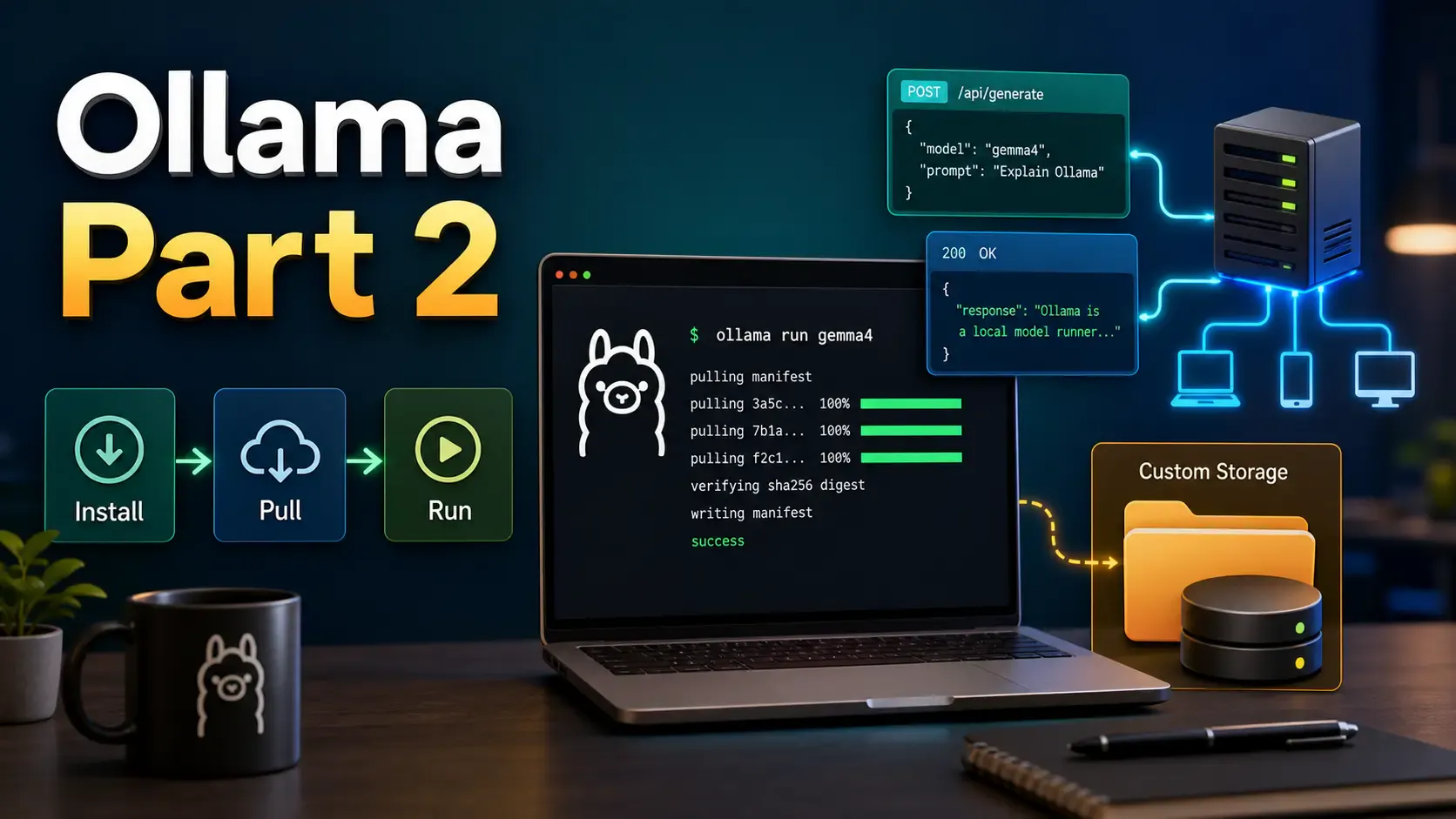
Learn how to install Ollama, run local models from CLI and UI, call the Ollama API, move model storage, and expose Ollama safely on a network.
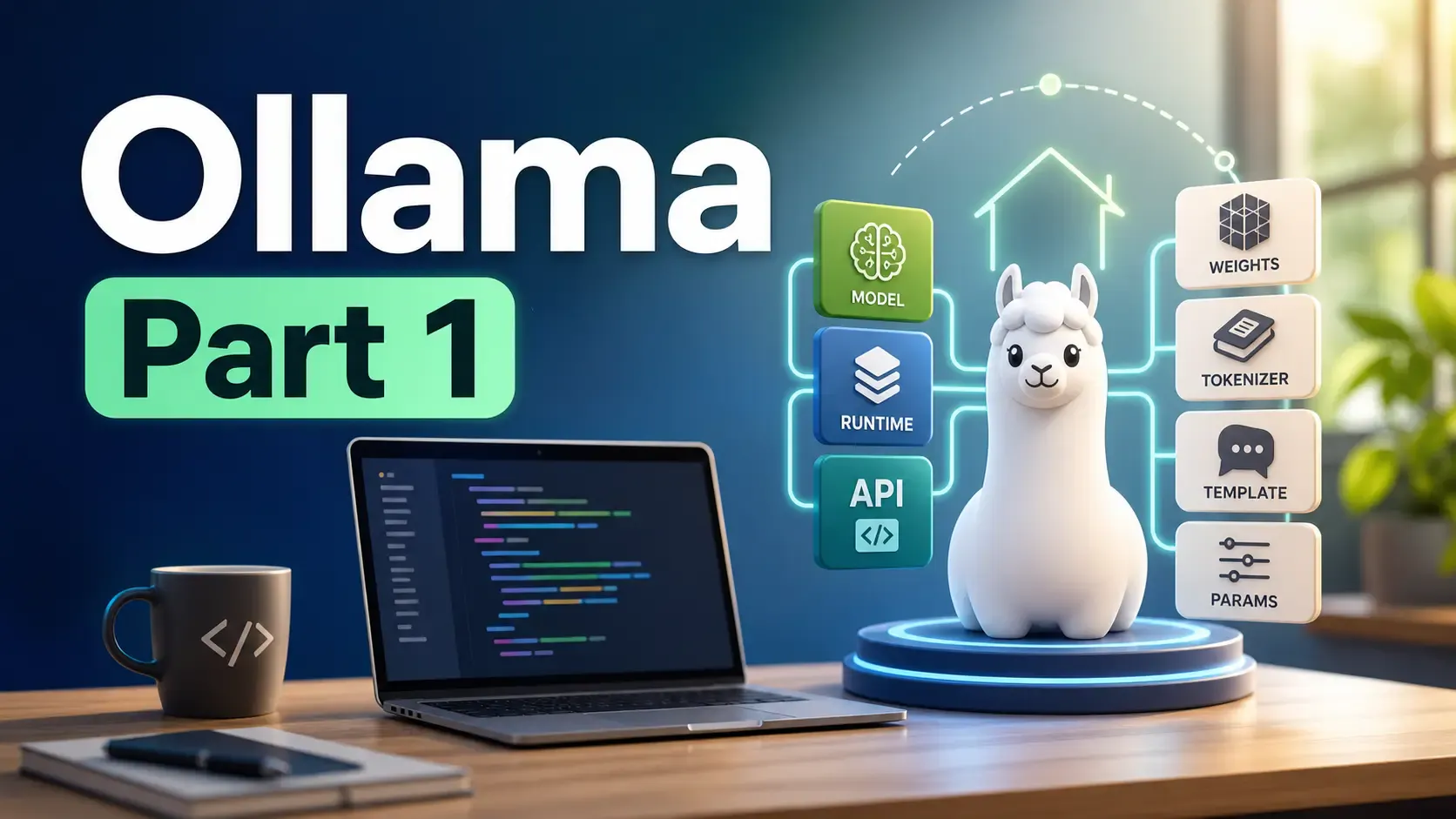
Learn what Ollama is, how it differs from Llama, how local AI models are packaged, and where Ollama fits in a developer workflow.
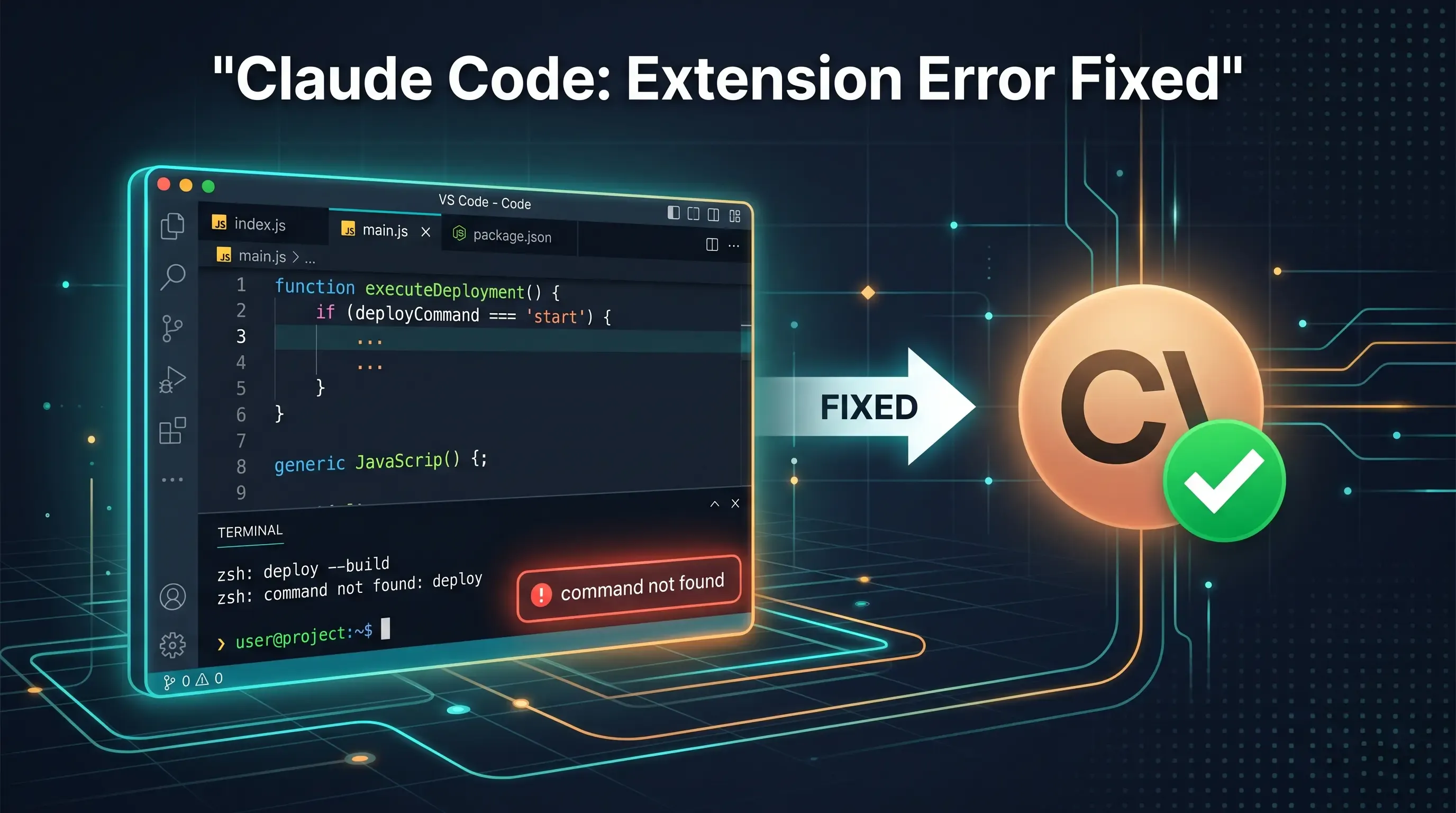
Getting the claude-vscode.editor.openLast not found error after updating Claude Code? This step-by-step guide shows you how to roll back to a stable version and get Claude working again in 5 minutes.